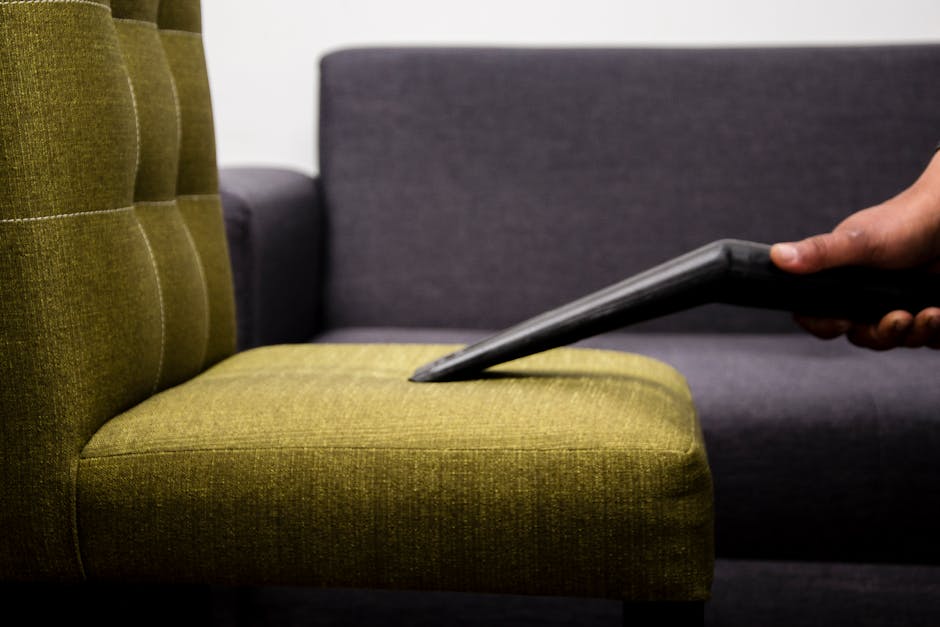
Tottenham Hale station upholstery cleaning tips for landlords
If you let property near Tottenham Hale station, you already know the small things become big things quickly. A sofa mark, a faint smell after a tenancy, a patch of worn dining-chair fabric - all of it affects how a home feels the moment someone walks in. These Tottenham Hale station upholstery cleaning tips for landlords are written to help you keep furnishings presentable, reduce avoidable damage, and handle end-of-tenancy refreshes with a bit less stress. Truth be told, good upholstery care is not just about making things look nice. It protects value, supports smoother check-ins and check-outs, and helps a rental feel properly cared for rather than just lived-in.
In a busy London spot like Tottenham Hale, turnover can be fast and expectations are high. Tenants notice details. Inspectors notice details. And if you have ever opened a living room door and been hit by that stale, slightly dusty upholstery smell, you will know exactly what I mean. This guide covers how upholstery cleaning works, what landlords should prioritise, which mistakes to avoid, and when it makes sense to bring in a professional service such as professional upholstery cleaning or broader commercial carpet cleaning for larger managed properties.
One quick but useful note: the best results usually come from a simple system rather than one-off panic cleaning. A little maintenance, a sensible stain response, and the right method for the fabric. Nothing fancy. Just reliable.
Table of Contents
- Why Tottenham Hale station upholstery cleaning tips for landlords matter
- How the cleaning process works
- Key benefits and practical advantages
- Who this is for and when it makes sense
- Step-by-step guidance
- Expert tips for better results
- Common mistakes to avoid
- Tools, resources and recommendations
- Law, compliance, standards, or best practice
- Options, methods, or comparison table
- Case study or real-world example
- Practical checklist
- Conclusion
- Frequently asked questions
Why Tottenham Hale station upholstery cleaning tips for landlords matter
Landlords tend to think first about walls, flooring, and appliances. Fair enough. Those things are obvious. Upholstery often slips down the list because it is softer, less structural, and easy to overlook until it has a problem. But upholstered furniture is where odours settle, where body oils build up, where pet hair hides, and where spills quietly spread into the fibres. In practical terms, that makes it one of the most noticeable parts of a property once a tenant has lived there for a while.
Near Tottenham Hale station, that matters even more because rental properties often see a mix of commuters, sharers, and short-to-medium-term occupants. Some will be careful. Some will be rushed. Some will eat on the sofa without thinking about it. Let's face it, life happens on the sofa. And landlords are usually the ones left deciding whether a mark is fair wear and tear, a cleanable stain, or a replacement issue.
Good upholstery care also supports better presentation between tenancies. A clean armchair or sofa can make a flat feel brighter, fresher, and more cared for than a room with new paint but tired seating. That first impression can help with viewings too, especially when tenants are comparing several properties in the same area.
Expert summary: For landlords, upholstery cleaning is not a luxury add-on. It is a practical maintenance task that reduces disputes, improves presentation, and helps extend the usable life of furnished items.
How Tottenham Hale station upholstery cleaning tips for landlords works
Upholstery cleaning is really about three things: identifying the fabric, choosing the right method, and removing soil without damaging the material underneath. That sounds straightforward, but the detail matters. Different fabrics respond differently to water, agitation, heat, and cleaning products. Some can be wet cleaned safely. Others need low-moisture methods or specialist solvent-based treatment. A careless approach can leave rings, shrinkage, colour bleed, or a damp smell that hangs around for days.
In a landlord setting, the process usually starts with inspection. You look for visible stains, general dullness, odours, pet evidence, and any signs of wear at the seams or arms. Then you test the fabric in a discreet spot if there is any doubt. From there, the right method is selected: vacuuming, spot treatment, foam cleaning, hot water extraction, low-moisture cleaning, or specialist stain work. If the item is delicate or heavily soiled, professional help is usually the safer path.
To keep things practical, think of upholstery cleaning as a staged job rather than a single action. You do not just "clean the sofa." You assess it, prepare it, clean it, dry it, and then check it again. That last bit is often skipped, and it is the bit that saves headaches.
Typical landlord cleaning stages
- Inspection: note stains, odours, fading, fabric type, and any damage.
- Dry removal: vacuum crumbs, dust, hair, and grit from seams and under cushions.
- Spot testing: test a hidden area before using any liquid treatment.
- Targeted cleaning: use the safest method for the fabric and soil level.
- Drying: allow adequate air circulation so the fabric dries fully.
- Final check: inspect for tide marks, missed spots, or lingering smells.
Where upholstery is part of a larger furnished let, it can make sense to coordinate it with steam carpet cleaning, curtain cleaning, or even rug cleaning so the whole room feels refreshed rather than half-done. That is usually more efficient too.
Key Benefits and Practical Advantages
For landlords, the value of upholstery cleaning is not abstract. It shows up in tenant experience, maintenance costs, and the ease of turning a property around. A clean sofa can avoid a grumble during inventory. A fresh chair can prevent an unnecessary replacement request. Small wins, but they add up.
- Better letting presentation: fresher upholstery helps a property feel move-in ready.
- Longer furniture life: regular cleaning reduces the build-up of dirt that wears fibres down.
- Fewer deposit disputes: clear pre- and post-tenancy condition helps separate damage from routine use.
- Improved odour control: upholstery often holds cooking smells, pet odours, and moisture more than landlords expect.
- Reduced allergy triggers: dust and particles trapped in fabric can be removed more effectively with proper cleaning.
- Better value from furnished lets: maintaining furniture is usually cheaper than replacing it early.
There is also a quiet reputational benefit. Tenants talk. Not always formally, but they do. A well-kept furnished property feels like it has been properly managed. That can help retention, not just new lettings. And in a competitive rental market, that is no small thing.
Who This Is For and When It Makes Sense
This advice is mainly for landlords, but it is equally useful for agents, property managers, and anyone responsible for a furnished rental near Tottenham Hale station. If you manage a flatshare with a fabric sofa in the living room, a few dining chairs, and maybe a headboard or occasional armchair, upholstery cleaning should be part of your routine rather than an emergency fix.
It tends to make the most sense in these situations:
- At the end of a tenancy, before new occupants move in
- After a spill, pet accident, or heavy food use
- When odours begin to linger even after general cleaning
- Before listing a furnished property for viewings
- As part of seasonal maintenance, especially after winter when windows stay shut and smells build up
If the property is unfurnished, the need is smaller. But that is not always the end of it. Sometimes landlords keep occasional chairs, mattresses, or rugs in storage, and those items can still benefit from mattress cleaning or specialist fabric treatment before they are reused. It is one of those jobs people forget until they absolutely cannot.
Step-by-Step Guidance
If you want a repeatable process, this is the one to use. It is simple enough to follow, but careful enough to avoid the common mistakes that cost time and money.
1. Identify the fabric first
Check the manufacturer's care label, if it is still present. If not, inspect the weave and finish. Natural fibres, blended fabrics, leather-like materials, and delicate covers all behave differently. When in doubt, do not guess. That is where trouble starts.
2. Vacuum thoroughly
Use a vacuum with an upholstery attachment to remove crumbs, dust, grit, and hair from the surface and seams. Pay attention to the underside of cushions and the gap where the back meets the seat. Those are the sneaky areas, the ones people forget while chatting on the phone.
3. Deal with dry debris before moisture
If there is dried mud, biscuit crumbs, or pet hair, lift that first. Wet cleaning over debris often turns a manageable problem into a smear.
4. Spot test a hidden area
Test any cleaning product or solution on a discreet patch. Leave it to dry fully. Then check for fading, texture change, or colour transfer. This small pause saves a lot of grief.
5. Apply the right cleaning method
For many landlord situations, a light upholstery cleaner, foam treatment, or professional low-moisture process will be enough. Heavier contamination may need deeper extraction. If the item is high-value or fragile, it is worth using a specialist rather than experimenting. If you are also dealing with stubborn marks elsewhere, the stain removal service route may be more appropriate than a general clean.
6. Avoid over-wetting
This is where a lot of DIY attempts go sideways. Upholstery should feel cleaned, not soaked. Too much liquid can push dirt deeper into the filling and create drying issues. You want clean fibres, not a damp sofa that smells like an old shed for three days.
7. Dry properly
Open windows where practical, use air flow, and keep cushions separated if possible. If the room is cool and still, drying takes much longer. In a flat near the station, you may also need to manage heating and ventilation carefully, especially in winter.
8. Re-check the result
Once dry, inspect the item again. Look for rings, missed marks, or sticky spots. If the room smells clean but the furniture does not, then something has not fully dried. Better to find that before the next tenancy starts.
Expert Tips for Better Results
After a while, you start to notice that the little habits make the biggest difference. Nothing glamorous. Just disciplined basics done properly.
- Clean upholstery before the property is fully vacant if possible: it is easier to inspect and schedule when the place is still in handover mode.
- Use cushion rotation: flip and rotate removable cushions during tenancies to spread wear more evenly.
- Act on spills fast: blot, don't rub. Rubbing drives the stain deeper and can rough up the pile.
- Keep a fabric note for each property: one line in your records about fabric type and previous cleaning date can save a lot of faffing later.
- Pair upholstery work with other soft-furnishing care: sofas, curtains, and rugs often share odours and dust, so treating them together usually feels more complete.
- Use plain, controlled methods for maintenance: the more elaborate the solution, the more likely it is to cause a patchy finish.
One practical landlord habit worth adopting: photograph furniture condition during check-in and check-out in similar light. Morning light by the window, if you can manage it, is often honest in a way artificial light is not. Those photos help if a deposit discussion gets awkward later.
And yes, awkward does happen. More than people admit.
Common Mistakes to Avoid
Most upholstery problems are not caused by dramatic disasters. They come from small, repeated errors. A little too much product here, a rushed dry there, and suddenly you have a visible tide mark or a lingering smell.
- Using too much water: the fabric may look clean at first, then reveal wicking or odour later.
- Skipping the fabric check: not every material likes the same process.
- Scrubbing aggressively: this can fray fibres and spread the stain.
- Ignoring odour sources: a clean-looking sofa can still smell if the padding has absorbed moisture or spills.
- Cleaning only the visible side: crumbs and dust often collect underneath cushions and along seams.
- Leaving it half-dry: damp upholstery can become musty very quickly, especially in enclosed flats.
- Replacing before trying proper cleaning: in many cases, a good professional clean is far more economical than a premature replacement.
There is a temptation to "just give it a quick wipe" between tenants. Sometimes that is enough for surface dust. But if the furniture has had a full tenancy's worth of use, quick wipes are usually cosmetic only. And you know it the moment you sit down. The cushion still feels tired.
Tools, Resources and Recommendations
You do not need a van full of gadgets. In most landlord scenarios, a modest set of sensible tools is enough for routine upkeep. The goal is control, not clutter.
Useful tools for basic upkeep
- Upholstery vacuum attachment
- Soft-bristle hand brush
- Clean white cloths or microfibre cloths
- Spot-cleaning solution suitable for fabric furniture
- Small spray bottle for controlled application
- Dry towels for blotting moisture
- Fan or good ventilation plan for drying
When to consider professional help
Professional cleaning is usually a sensible choice when the item is expensive, heavily stained, delicate, or part of a full end-of-tenancy refresh. It is also useful if you manage multiple properties and need the work done consistently. A reliable service can save you time and reduce the risk of fabric damage. If the furniture is badly affected by pets, odours, or recurring stains, a specialist service like pet stain and odour removal can be more effective than a general wipe-down.
For landlords who want to compare options, a clear quote process matters. You can review pricing and quotes, and if you want to understand the business background a bit more, the company's about us page is a sensible place to start. Small detail, maybe, but trust is built on small details.
Law, Compliance, Standards, or Best Practice
Upholstery cleaning itself is not usually the part that creates legal trouble. The issues tend to come from poor records, unsafe products, damaged furnishings, or unclear tenancy expectations. So the best approach is simple: keep good notes, use suitable products, and be fair about what counts as wear and tear versus neglect.
In the UK, landlords are generally expected to maintain properties in a safe, habitable condition. If furniture is provided, it should be reasonably clean and safe to use at the start of a tenancy. That does not mean it needs to be brand new every time. It does mean it should not be grimy, foul-smelling, or visibly neglected. Where a property is managed through an agent or for a portfolio, an organised approach to cleaning records can help show that you have acted responsibly.
It is also wise to think about product safety, ventilation, and any residual dampness. The company's health and safety policy and insurance and safety information are useful reference points if you want reassurance before booking work in a rental property. And if a tenant query turns into a service concern, a published complaints procedure is a good sign that issues are handled properly rather than brushed aside.
Best practice, in plain English, is this: clean in a way that is suitable for the material, document what was done, and avoid making promises you cannot support. That applies whether you are dealing with one flat or ten.
Options, Methods, or Comparison Table
Here is a simple comparison of the most common approaches landlords use for upholstered furniture. The right choice depends on fabric type, soil level, and how quickly the room needs to be turned around.
| Method | Best for | Pros | Watch-outs |
|---|---|---|---|
| Vacuuming and light spot treatment | Routine upkeep, fresh tenancy starts | Fast, low cost, good for surface dirt | Won't fix deeper stains or odours |
| Foam or low-moisture cleaning | General fabric refresh | Controlled moisture, usually safer for more fabrics | May not remove heavy embedded soil alone |
| Hot water extraction | Deeper soil and more robust fabrics | Good deep clean, can improve appearance significantly | Higher drying demand, not suitable for every fabric |
| Specialist stain treatment | Ink, food, pet marks, and stubborn spots | Targets problem areas directly | Needs care to avoid damage or colour loss |
| Professional full-service clean | End of tenancy, furnished lets, premium properties | Consistent results, less risk, better for multiple items | Costs more than DIY, but often saves time and stress |
For many landlords, the sweet spot is a mix: regular vacuuming, quick spot treatment during a tenancy, and professional cleaning at handover. That combination is usually more cost-effective than trying to rescue a deeply neglected sofa at the last minute.
Case Study or Real-World Example
Imagine a two-bedroom furnished flat close to Tottenham Hale station. A tenant leaves after eighteen months. The sofa is not destroyed, not at all. But there are faint coffee marks on one cushion, a slightly stale smell in the living room, and the armrests have gone dull from everyday use. Nothing dramatic. Just enough to make the place feel less fresh than it should.
The landlord could replace the sofa, which would be the expensive route. Or they could assess the fabric, vacuum thoroughly, treat the spots carefully, and arrange a professional clean for the upholstery alongside the carpet and rug. In most cases, that second route restores the room enough for re-letting without the heavy cost of replacement. The flat looks brighter. The smell improves. The photos for the listing look better too. Simple as that.
We have seen this sort of situation many times in principle, and the lesson is usually the same: don't wait until the furniture looks hopeless. Once upholstery starts looking tired, it often responds well to timely cleaning. Leave it too long and the fibres can become flattened, marked, or just generally knackered, which is far harder to reverse.
Practical Checklist
Use this before a new tenancy, after a spill, or as part of your regular property maintenance routine.
- Check the fabric type and care label, if available
- Vacuum cushions, seams, arms, and under furniture
- Inspect for stains, odours, fading, or damage
- Test any product on a hidden area first
- Use the least aggressive method that will still do the job
- Blot spills rather than rubbing them
- Avoid soaking the filling or seams
- Leave enough time for proper drying
- Re-check for marks, rings, or smells once dry
- Photograph the cleaned condition for your records
Quick takeaway: a landlord-friendly upholstery cleaning routine is about protection, not perfection. Keep it clean, keep it dry, keep it documented.
Conclusion
Good upholstery care is one of those small property habits that pays back quietly. It helps a rental near Tottenham Hale station feel more welcoming, supports smoother tenancy transitions, and protects you from unnecessary replacements or awkward cleaning disputes. The trick is consistency. Not heroics. Not rushed last-minute scrubbing with whatever happened to be under the sink.
If you remember only one thing, make it this: identify the fabric, clean gently, dry properly, and document the result. Do that well and you will already be ahead of many landlords who leave upholstery until it becomes a problem. And if a sofa, chair, rug, or curtain needs a deeper reset, a professional clean is often the calmer, smarter move.
Get a free quote today and see how much you can save.
For landlords who want a tidy, dependable handover and less drama at the end of a tenancy, that little bit of care goes a long way. It really does.
Frequently Asked Questions
How often should landlords clean upholstered furniture in a rented property?
For furnished lets, a sensible approach is to clean upholstery at least between tenancies and sooner if there are spills, pet odours, or visible soiling. In high-use homes, periodic maintenance during a tenancy can also help.
Can I clean upholstery myself as a landlord?
Yes, for light maintenance and minor marks. But you should only do so if you know the fabric type and the cleaning method is appropriate. If the item is valuable, delicate, or heavily stained, professional cleaning is usually the safer option.
What is the biggest mistake landlords make with sofa cleaning?
The most common mistake is over-wetting the fabric. It can cause slow drying, water marks, and odours. Scrubbing too hard is another frequent problem.
Does upholstery cleaning help with tenant deposit disputes?
It can, especially when you keep photos and notes before and after cleaning. Clear records make it easier to show whether a mark is ordinary wear, accidental staining, or something more serious.
Is steam cleaning suitable for all upholstery?
No. Steam or hot water extraction can work well on some robust fabrics, but it is not suitable for every material. Always check the fabric guidance first, or choose a gentler method if you are unsure.
What should I do if a tenant reports a stain during the tenancy?
Act quickly. Ask them to stop rubbing it, blot excess liquid if needed, and note what caused the stain. Fast action often improves the chance of removal and reduces long-term damage.
How do I deal with pet smells in upholstered furniture?
Pet odours often sit deeper than the surface, especially in cushions and backing. Vacuuming helps, but you may need specialist treatment such as pet stain and odour removal if the smell has settled into the filling.
Should I clean upholstery before or after painting the property?
Usually after any messy decorating work has finished, unless the furniture is being stored elsewhere. That way you avoid dust settling back onto freshly cleaned fabric. A slightly dull order of operations, perhaps, but it saves you doing the job twice.
Can upholstery cleaning improve the look of old rental furniture?
Often, yes. It will not turn tired furniture into new furniture, but it can remove surface grime, improve colour appearance, and make the room feel fresher and better kept.
What other soft furnishings should landlords clean at the same time?
If the property is furnished, it often makes sense to clean carpets, rugs, curtains, and mattresses alongside upholstery. That gives a more complete refresh and avoids the awkward effect of one clean item sitting next to several dusty ones.
How do I know when to replace furniture instead of cleaning it?
If the frame is damaged, the fabric is split, or stains have permanently altered the appearance, replacement may be more sensible. If the furniture is structurally sound and just looks tired, cleaning is usually worth trying first.
Where can landlords get more information about the service process?
You can review the company's about us page, check pricing and quotes, or read the terms and conditions before making a booking. That helps you understand the process before anything is scheduled.