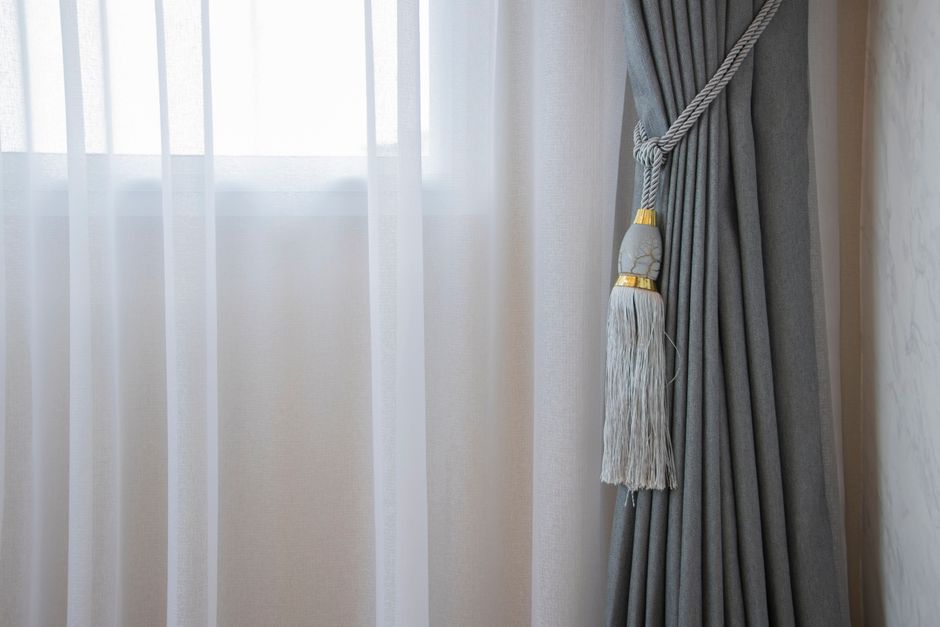
Hale Wharf Curtain Cleaning Steam Safe Methods in Tottenham Hale
If your curtains at Hale Wharf are looking dull, holding onto odours, or collecting that familiar layer of London dust, steam cleaning can be a smart option - but only if it is done safely. The right Hale Wharf curtain cleaning steam safe methods in Tottenham Hale should freshen fabric without shrinking it, leaving water marks, or distorting the lining. That balance matters more than people think. Curtains are often one of the biggest soft furnishings in a room, and when they are cleaned properly, the whole space feels lighter, cleaner, and a bit easier to breathe in.
This guide explains what steam-safe curtain cleaning really means, how it works, when it is suitable, and where caution is needed. You will also find practical steps, common mistakes, a comparison table, and a straightforward checklist you can actually use. If you live by the canal, near the station, or in one of the newer apartments around Tottenham Hale, the same principle applies: your curtains need the right treatment for the fabric, the fit, and the condition they are in.
Expert summary: steam can be safe for many curtains, but only when fabric type, lining, pleats, dye stability, and moisture control are checked first. The safest approach is usually gentle, fabric-led, and slow rather than hot, rushed, or overly wet.
- Why steam-safe curtain cleaning matters
- How the process works
- Key benefits and practical advantages
- Who this is for
- Step-by-step guidance
- Expert tips for better results
- Common mistakes to avoid
- Tools, resources and recommendations
- Law, compliance and best practice
- Options and comparison
- Real-world example
- Practical checklist
- Conclusion
- Frequently asked questions
Why Hale Wharf curtain cleaning steam safe methods in Tottenham Hale Matters
Curtains do a lot of quiet work. They trap dust, absorb cooking smells, collect pollen, and catch the kind of airborne grime that builds up without being obvious day to day. By the time you notice, the fabric may have lost a bit of life. In a busy home, especially one with pets, road-facing windows, or a kitchen nearby, curtains can become a hidden source of stale odour and surface dirt.
Steam-safe methods matter because curtains are not like hard surfaces. Too much heat, too much water, or the wrong cleaning solution can leave permanent damage. Some fabrics react badly to direct steam. Others need only a light surface refresh. A good method protects shape, colour, stitching, and lining. That is the whole point. Clean curtains should look better, feel better, and last longer.
In Tottenham Hale, where homes range from compact modern flats to larger family spaces, curtain fabrics can vary a lot. You may have blackout linings, voile panels, velvet drapes, or blended fabrics that look sturdy but behave quite differently when heated. A steam-safe process takes those differences seriously. It is not a one-size-fits-all job, and honestly, that is where a lot of DIY attempts go wrong.
There is also the comfort factor. Fresh curtains can change how a room feels. They soften a space visually, reduce that slightly stuffy feel that hangs around after winter, and make your windows look cared for. Not glamorous, maybe. But noticeable, definitely.
How Hale Wharf curtain cleaning steam safe methods in Tottenham Hale Works
Steam-safe curtain cleaning is really about controlled moisture and controlled heat. The aim is to loosen surface grime, reduce odours, and freshen the fabric without over-wetting it. Depending on the curtain type, a cleaner may use a low-moisture steam technique, a handheld fabric steamer, or a careful in-situ treatment that avoids removing the curtains unless removal is clearly the safer choice.
The process usually starts with inspection. That means checking the fabric label if available, testing a small hidden area, looking at pleats, hems, seams, and any trims, and identifying risks such as fading, shrinkage, or water sensitivity. If the curtain has a fragile lining or decorative weave, the cleaner may reduce steam output or use a different method altogether.
After that comes the actual cleaning step. In safe steam cleaning, the nozzle is usually kept moving. The fabric is not drenched. The aim is to warm the fibres just enough to release embedded dust and light soiling. A decent extractor or absorbent cloth may follow, depending on the method used. Drying is then just as important as cleaning. Good airflow, open windows where possible, and avoiding contact with cold windowsills all help.
People sometimes imagine steam as a magic fix. It is useful, yes. But it is not magic. The fabric still needs judgement. A heavy curtain with a sturdy lining might tolerate a careful steam pass. A delicate silk blend probably will not. Simple enough in theory, though in practice a bit of experience helps a lot.
For broader fabric care around the home, many homeowners also look at services such as upholstery cleaning and curtain cleaning when they want a joined-up soft furnishing clean rather than tackling each item separately.
Key Benefits and Practical Advantages
Steam-safe curtain cleaning offers a useful middle ground between a dry dusting and a full wet wash. It can freshen fabric while avoiding the disruption of taking large curtains down, transporting them, and rehanging them later. For many households, that convenience alone makes a real difference.
- Less disruption: in-situ cleaning may mean you do not need to remove every curtain panel.
- Better freshness: steam can help reduce stale smells from cooking, pets, or closed-up rooms.
- Improved appearance: dust, light marks, and flattening often become less noticeable.
- Fabric care: when done correctly, steam is gentler than heavy washing for suitable curtains.
- Allergen reduction: not a medical claim, but removing built-up dust can improve the feel of the room.
- Longer fabric life: avoiding harsh washing cycles can help preserve drape and structure.
There is also a practical layout benefit. In a flat at Hale Wharf, space can be tight. Large curtains may be awkward to remove, and drying them indoors can be inconvenient. Steam-safe methods reduce that hassle. You clean the curtains where they hang, keep the room usable, and avoid the long wait that often comes with traditional laundering.
Another small but important advantage: steam-based refreshes often pair well with other home cleaning jobs. If your curtains are dusty, your sofas and rugs may be carrying the same build-up. Coordinating soft furnishing care can make the whole home feel more settled. That sounds almost too simple, but it is true.
Who This Is For and When It Makes Sense
This kind of curtain cleaning is a strong fit for anyone who wants a careful, low-disruption refresh rather than a full strip-down treatment. It is especially useful if your curtains are large, fixed awkwardly, or attached to tracks that make removal fiddly. Let's face it, some curtain poles seem designed to test patience.
It makes sense for you if:
- your curtains smell a bit stale but are not heavily stained;
- you have dust build-up from open windows or nearby traffic;
- your home has pets and soft furnishings absorb odours;
- you want to freshen a room before visitors, moving in, or a change of season;
- the curtains are made from a fabric that can tolerate controlled heat;
- you want to preserve pleats, structure, and lining rather than risk a harsh wash.
It may be less suitable if the curtains are heavily marked with old grease, drink spills, or deep dye transfer. In those cases, a more targeted stain removal approach may be needed first, and sometimes removal is the safer path. A professional cleaner should be honest about that. If a curtain is too delicate for steam, the right answer is not to force it. That's just common sense, really.
For homeowners who are comparing broader fabric care options, services such as sofa cleaning, rug cleaning, and steam carpet cleaning are often considered at the same time because they all affect how fresh the room feels.
Step-by-Step Guidance
If you want the safest result, the process should be methodical. Rushing is usually what causes problems. Here is a sensible step-by-step approach for steam-safe curtain cleaning in Tottenham Hale.
- Identify the fabric. Check the care label, if present, and note whether the curtain is cotton, polyester blend, velvet, linen, silk, or lined blackout material.
- Inspect for weak points. Look closely at hems, stitching, decorative trims, and faded areas. Older curtains can hide brittle seams.
- Vacuum first. Use a brush attachment to lift dust before any steam is applied. This stops dry soil from turning into muddy residue.
- Spot-test a hidden area. A small test patch helps confirm colour stability and heat tolerance.
- Use controlled steam. Keep the nozzle moving, stay at a safe distance, and avoid saturating one area.
- Work top to bottom. This helps gravity do its job and avoids re-soiling cleaned sections.
- Blot where needed. If condensation forms, gently absorb it with a clean cloth rather than rubbing.
- Allow proper drying. Open windows where possible and keep air moving. Damp fabric left too long can develop a musty smell.
- Check the finish. Once dry, review the drape, seams, and any remaining marks. A second light pass may be better than one heavy treatment.
A small reality check: if you are dealing with very delicate curtains, or you are unsure about the fabric, stop at the inspection stage and get proper guidance. There is no prize for guessing. A cautious approach is usually cheaper than replacing a damaged pair of curtains.
Expert Tips for Better Results
There are a few details that make a noticeable difference. These are the little things that separate a decent refresh from a poor one.
- Always start with dust removal. Steam is not a substitute for vacuuming. Dust + steam = messy fibres.
- Test lining as well as face fabric. Some linings behave differently from the visible material.
- Do not over-steam pleats. Too much heat can flatten the finish and make the curtain hang oddly.
- Keep light marks realistic. Steam can improve general soiling and odour, but it will not erase every stain.
- Pay attention to window position. Curtains pressed against cold glass dry more slowly and may pick up moisture.
- Choose the right timing. On a damp, grey London morning, drying can take longer than expected. Midday with some airflow is usually kinder.
- Coordinate nearby fabrics. If the curtains are dusty, check blinds, cushions, and surrounding upholstery too.
One small human truth here: many people wait until curtains look visibly bad, and by then the problem has crept into the room's overall feel. Cleaning earlier is usually easier. Quieter, too. No one notices the build-up until suddenly they do.
For homes where pets are part of daily life, pairing curtain care with pet stain odour removal can help tackle the smell source rather than simply masking it. That is often the smarter move.
Common Mistakes to Avoid
Steam-safe curtain cleaning sounds straightforward, but a few common errors can undo the benefits quickly. These are the ones worth watching for.
- Using too much steam. Saturation can cause water marks, shrinkage, and longer drying times.
- Skipping the test patch. This is where colour runs or texture changes can sneak up on you.
- Cleaning without vacuuming first. Dry dust becomes damp residue and settles deeper into fibres.
- Using harsh chemicals with steam. Some products react badly to heat or leave sticky residue.
- Ignoring lining and stitching. The visible fabric may look fine while the structure underneath is getting stressed.
- Trying to "fix" every stain with heat. Not every mark is suitable for steam, and some stains set worse with warmth.
- Rehanging too early. If curtains are still damp, they can develop odours or hang poorly.
There is a temptation to think a more powerful machine means a better clean. Usually it just means more risk. Gentle and controlled wins most of the time. Bit boring, perhaps, but effective.
Tools, Resources and Recommendations
You do not need a huge kit, but you do need the right basics. For safer curtain cleaning, the most useful tools are simple and purpose-built.
| Method or tool | Best for | Risk level | Notes |
|---|---|---|---|
| Soft brush vacuum attachment | Routine dust removal | Low | Ideal first step before any steam treatment |
| Handheld fabric steamer | Light freshening on suitable fabrics | Moderate | Useful when kept moving and used sparingly |
| Low-moisture professional steam system | Controlled in-situ cleaning | Low to moderate | Better for larger jobs when fabric is compatible |
| Microfibre cloth | Blotting condensation or light residue | Low | Use clean cloths only |
| Fan or good airflow | Drying support | Low | Helps prevent musty odours |
It can also help to think about the wider fabric care plan in your home. If curtains, upholstery, and carpets are all showing the same signs of age, a joined-up approach is often more efficient. Services such as stain removal and carpet cleaning can be useful companions to curtain care when you want a consistent finish across the room.
If you are comparing service quality, look for clear communication about fabric suitability, drying expectations, and what happens if a curtain is too delicate for steam. The best providers do not promise miracles. They explain what is realistic.
Law, Compliance, Standards, or Best Practice
For curtain cleaning in a domestic setting, the main thing is safe, sensible practice rather than any heavy compliance burden. Still, reputable cleaners should work in line with general UK health and safety expectations, use appropriate equipment, and treat your home with care. If chemicals are used, they should be handled responsibly, and any fabric treatment should be appropriate for the material.
From a customer point of view, it is fair to expect:
- clear explanation of the method before work begins;
- careful handling of your furnishings and home;
- proper attention to drying and ventilation;
- transparency if a fabric is too delicate for steam;
- reasonable insurance and safety awareness;
- respect for your property, fittings, and flooring.
Best practice also includes checking access, protecting adjacent surfaces, and avoiding overspray near woodwork, electrical points, or painted finishes. In apartments around Hale Wharf, where space can be tighter and finishes are often newer, that attention matters. A few extra minutes of preparation can save a lot of fuss later.
If you want to understand how a company approaches these responsibilities, it is worth reviewing information such as health and safety policy, insurance and safety, and terms and conditions. Those pages are useful because they show how seriously a business treats the practical side of the work.
Options, Methods, or Comparison Table
There is more than one way to freshen curtains, and the best choice depends on fabric, condition, and how much disruption you can tolerate. Here is a plain-English comparison.
| Method | Best use | Pros | Cons |
|---|---|---|---|
| Light vacuuming | Routine maintenance | Fast, low risk, inexpensive | Won't remove deeper odours or marks |
| Handheld steaming | Suitable fabrics needing a refresh | Convenient, quick, low disruption | Easy to overdo if not careful |
| Professional low-moisture steam cleaning | Heavier soiling on compatible curtains | More controlled and even | Needs experience and the right kit |
| Removal and off-site cleaning | Delicate or heavily soiled curtains | Thorough, better for complex fabric care | More disruption and drying logistics |
| Spot treatment only | Small localised marks | Targeted and efficient | Not suitable for general refresh |
For many households, the sweet spot is a combination: vacuum first, steam lightly where safe, and spot treat only where needed. That approach is often more reliable than trying to blast the entire curtain with heat. Simple, but not simplistic.
Case Study or Real-World Example
A typical scenario in Tottenham Hale goes like this. A resident notices that the living room curtains near the balcony door have started to smell a bit stale after months of closed windows and busy weekday cooking. The fabric still looks good at a glance, but when sunlight hits it in the afternoon, the dust is visible on the folds. Nothing dramatic. Just enough to bother you every time you sit down.
The safer approach is to inspect the fabric, vacuum the panels carefully, test a hidden section, and then use controlled steam only where the material can handle it. In a situation like this, the cleaner would avoid soaking the lining and would pay attention to the lower edges, where dust tends to settle. If the curtains hang close to the glass, drying time becomes a real factor, so airflow matters.
What tends to surprise people is how much fresher the room feels afterwards. Not just the curtains. The whole room. The light seems cleaner. The smell changes. It is subtle, but unmistakable. And if the curtains are matched with a refreshed carpet or sofa, the difference becomes even more obvious. That is often when clients say, a little sheepishly, that they should have done it months earlier.
Practical Checklist
Use this before any steam-safe curtain cleaning job. It keeps things sensible.
- Check the fabric label or identify the material as accurately as possible.
- Inspect for faded patches, weak seams, trims, and lining issues.
- Vacuum the curtains gently before using steam.
- Test a hidden area for colour and texture change.
- Use the lightest effective steam setting.
- Keep the nozzle moving and avoid saturation.
- Blot excess moisture immediately if needed.
- Allow plenty of drying time with good airflow.
- Do not rehang heavy damp curtains if they can be dried properly first.
- If the fabric seems delicate, stop and choose a safer alternative.
Quick reminder: the safest method is often the least dramatic one. That is not a bad thing. It is usually the sign of good judgement.
Conclusion
Hale Wharf curtain cleaning steam safe methods in Tottenham Hale are about more than making fabric look neat for a day or two. Done properly, they help preserve the curtains, keep the room fresher, and reduce the risk of damage that comes from treating every fabric as if it were the same. The key is simple: inspect first, steam lightly, dry properly, and do not force the issue when the material says no.
If your curtains are dusty, carrying odours, or just looking a bit tired, a careful steam-safe refresh can make a surprisingly big difference. And if you are unsure about the fabric, that uncertainty is worth listening to. Caution is not hesitation. It is often the smartest decision in the room.
Get a free quote today and see how much you can save.
Fresh curtains do not shout for attention, but they quietly improve the whole feel of a home. That has a way of making everything else seem a little more in order.
Frequently Asked Questions
Is steam cleaning safe for all curtains?
No, not for all curtains. Many fabrics can handle controlled steam, but delicate materials such as some silks, heavily lined curtains, or certain decorative weaves may need a different approach. A test patch is the safest starting point.
Can curtain steam cleaning remove odours?
It can reduce many light odours, especially those caused by dust, cooking, or general room build-up. Strong or deeply embedded smells may need a more targeted treatment first, particularly if pets or moisture are involved.
Do I need to take the curtains down first?
Not always. Some curtain cleaning can be done in place if the fabric is suitable and the surrounding area allows it. In other cases, removal is safer because it gives better control over drying and reduces the risk of marks.
Will steam cleaning shrink my curtains?
It can, if the fabric is not suitable or if too much heat and moisture are used. That is why inspection and a careful test area are so important. The risk is usually avoidable when the method is chosen properly.
How often should curtains be cleaned?
That depends on use, traffic, dust levels, and whether you have pets or open windows often. A light refresh may be enough periodically, while heavily used curtains may need more frequent attention. There is no single perfect schedule.
Can I use a handheld steamer myself?
Yes, if the fabric is suitable and you work carefully. Keep the steamer moving, avoid soaking one spot, and test first. If the curtains are expensive, delicate, or heavily lined, professional help is often the safer option.
What curtains should never be steam cleaned?
Very delicate fabrics, unstable dyes, and materials that react badly to moisture or heat should not be steam cleaned. If you are unsure, assume caution rather than risk visible damage.
How long do curtains take to dry after steam cleaning?
Drying time varies depending on fabric thickness, room temperature, airflow, and how much moisture was used. Light steaming may dry fairly quickly, while thicker or lined curtains can take longer. Good ventilation helps a lot.
Is steam cleaning better than washing curtains?
It depends on the curtain. Steam cleaning is often better when you want less disruption and the fabric is suitable. Washing can be more thorough for some materials, but it also carries more risk of shrinking or losing shape.
Can steam cleaning remove stains from curtains?
It may improve light surface marks, but it is not a guarantee for every stain. Some stains need separate treatment, and some can set if heat is used too aggressively. Spot assessment is essential.
What should I look for in a curtain cleaning service?
Look for clear explanation of the method, fabric awareness, drying guidance, and a careful approach to health and safety. A good service should be honest if steam is not the right choice for your curtains.
Can curtain cleaning be combined with other home cleaning services?
Yes, and that is often practical. Many people combine curtain care with carpet, sofa, rug, or upholstery cleaning so the whole room feels fresher at once. It is usually more efficient than treating each item in isolation.